
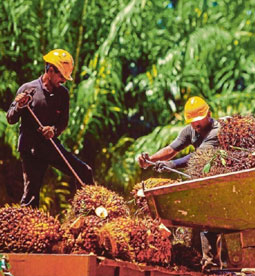
Commodity futures in Indonesia offer promising high-growth opportunities, particularly in palm oil, nickel, and coal, driven by strong export demand and government-led downstreaming policies.
With supervision from BAPPEBTI and platforms like the Jakarta Futures Exchange (JFX) and Indonesia Commodity and Derivative Exchange (ICDX), investors can leverage volatility. However, market risks include significant price fluctuations, global economic slowdowns, and regulatory changes.
Key Prospects and Trends:
Key Commodities: Palm oil (CPO) and cocoa prices are expected to remain high, supported by rising global demand, notes Kompas.id.
Strategic Downstreaming: Policies aimed at increasing value-added, especially in nickel and palm oil, are strengthening the long-term outlook for related futures contracts.
Crypto as Commodity: BAPPEBTI regulates crypto assets as commodities, offering a unique, emerging, and volatile market for investors.
Sustainable Trade: Initiatives like the Indonesian Taxonomy for Sustainable Finance (TKBI) and carbon pricing are shaping new, long-term opportunities.
Risks and Considerations:
Volatility: Commodity price volatility and currency depreciation are top concerns for 2025, according to Shinhan Sekuritas.
Market Dynamics: The market is heavily influenced by global supply/demand, geopolitical issues, and, recently, climate change.
Regulation: While regulated, the shift in supervision to the Financial Services Authority (OJK) introduces a new era for financial derivatives, requiring investors to stay updated, say Kompas.id.
Recommendations:
Diversify: Due to high volatility, a diversified portfolio is crucial.
Monitor Policies: Keep close watch on local content requirements (TKDN) and export tariff adjustments, suggests the DFD Lab report.
Risk Management: Utilize the hedging opportunities provided by commodity futures to manage price risks.

Indonesia enters 2026 with renewed confidence and structural momentum. Macroeconomic stability, strong liquidity support..

Investors can gain exposure through commodity futures contracts or by investing in companies in these industries.